How to Organize Your Spices in a Kenyan Kitchen (And Actually Keep It That Way)

You open the cabinet to start dinner. And before you've even touched a pan, you're already frustrated.
Packets everywhere. Three half-open Royco sachets. A bag of pilau masala with no seal. Cinnamon sticks are rolling loose. And somewhere, somewhere is the tangawizi you bought last week that has completely disappeared into the chaos.
This is how most Kenyan kitchens start the evening. Not with calm. Not with intention. With a search.
Later in this piece, we'll show you the one mistake that makes even beautifully stored spices still look and feel like a mess.
The Real Problem With Your Spice Storage
It's not that you're disorganized. It's that the system was never built for how you actually cook.
Most storage advice online is written for someone making pasta with oregano and thyme. That is not your kitchen.
Your kitchen has pilau masala, biryani mix, Royco cubes and powder, dania seeds, black pepper, turmeric, cinnamon sticks, cardamom pods, paprika, garlic powder, curry, and at least five versions of masala, chicken, tea, beef, fish, and Githeri. " You cook with depth. You cook with layers. And your spice collection reflects that.
The problem isn't the number of spices. It's the format they come in.
Sachets. Torn packets. Half-used paper bags held closed with a rubber band. Containers that don't stack. Labels you can't read. Nothing at the same height. Nothing is the same size. So every time you reach in, you're not retrieving, you're excavating.
And somewhere in that chaos, you've bought Royco you already had. Because you couldn't see what was there.
That's not a spending problem. That's a visibility problem.
The Insight Nobody Tells You About Spice Organization
Here is the thing most people miss: the goal is not to make your spice drawer tidy.
The goal is to make it readable at a glance.
There is a difference. Tidy means things are put away. Readable means you see what you have in three seconds or less without pulling anything out, without leaning in, without guessing.
This is why the container matters more than the label.
Opaque containers, even organised ones, still require you to open each jar to confirm what's inside. Clear, uniform containers change the experience entirely. You look. You see. You reach. You're done.
There's also a psychological layer here that doesn't get talked about enough. When your spice area is uniform, with the same jars, same height, same clarity your brain reads it as calm. It doesn't have to process visual noise before you start cooking. You arrive at the stove already settled. That changes how the whole meal feels.
Intentional people notice this. Once you experience it, you can't go back.
How do you know if your spice storage is actually working? If you can identify any spice in your cabinet in under three seconds without opening a jar, your system is working. If you're pulling things out, guessing, or regularly buying duplicates like a second packet of Royco you didn't know you had your system has a visibility problem, not a space problem.
How to Organize Your Spices in a Kenyan Kitchen, Step by Step
This is not a Pinterest exercise. This is a practical system built for how Kenyan women actually cook on weeknights, for families, with real ingredients.
Step 1: Empty Everything Out First
Do not start by buying jars.
Pull every spice out of your drawer, cabinet, or shelf. Every sachet. Every jar. Every loose packet. Put it all on the counter.
Now you can actually see what you're working with.
Check expiry dates. Smell anything you're unsure about. Throw away what's expired, what's finished, and what you honestly know you're never going to use. Be honest — that random herb you bought for one recipe two years ago can go.
This step is non-negotiable. You cannot organize clutter. You can only organize what you actually need.
Step 2: Group by How You Actually Cook
Don't group alphabetically. Group by cooking occasion.
Here's what that looks like in a Kenyan kitchen:
Everyday spices — the ones you reach for almost every meal. Royco, salt, black pepper, turmeric, garlic powder, paprika, and tea masala. These go in front. Always accessible.
Pilau and biryani spices — pilau masala, biryani mix, cardamom, cloves, cinnamon, cumin seeds. These belong together because you use them together.
Herbs and aromatics — dania (coriander), dried thyme if you use it, bay leaves. Grouped, not scattered.
Baking spices — cinnamon sticks, nutmeg, vanilla. Separate from savoury. You don't need them in the same reach.
When you group by occasion, you're not just organizing. You're pre-building your cooking logic.
Step 3: Decant Into Uniform, Clear Jars
This, by the way, is the mistake we mentioned at the start.
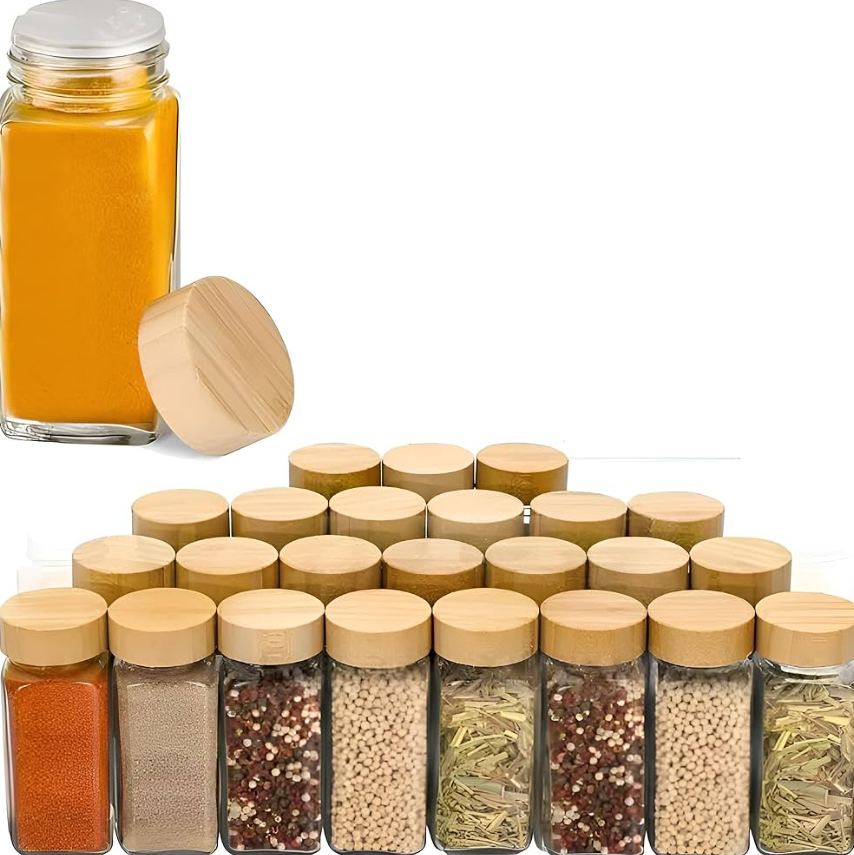
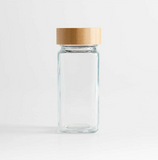
This is where the system becomes real. Transfer your spices from packets, sachets, and mismatched containers into clear glass jars of the same shape and size. All standing at the same height.
A few things to note when you do this:
For fine powders like turmeric, royco powder, and pilau masala, fill to about three-quarters. This gives you room to scoop without the jar tipping. If you're using our Netai Spice Jars you can fill them to the brim because they come with the easy pour lid.
For whole spices like cardamom pods, cloves, and cinnamon sticks you may need a slightly taller jar, or a different section. Cinnamon sticks especially refuse to cooperate in a standard jar. Keep them in a dedicated spot or use a longer vessel.
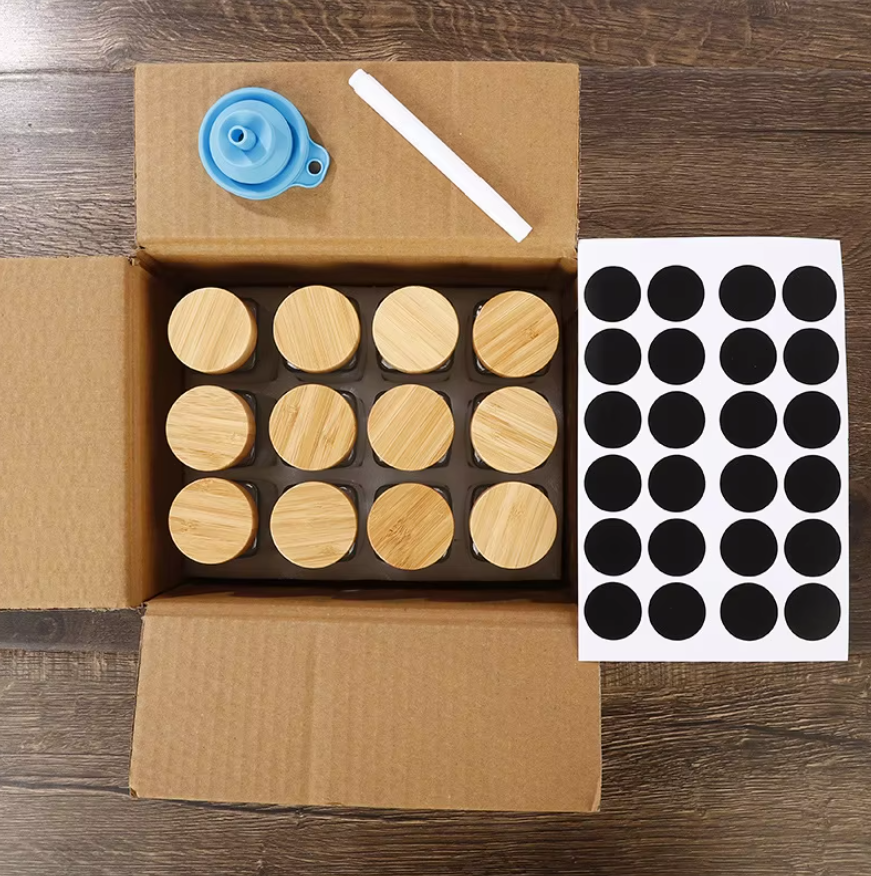
Label every jar. Not elaborately a simple label with the name is enough. Label the lid if your jars will be stored in a drawer, and the front if they'll be on a shelf.
Step 4: Decide on Location Based on Frequency
This is the step that determines whether your system lasts.
The spices you use daily royco, black pepper, turmeric, salt should live closest to the stove. Not in a cabinet across the kitchen. Right there, within arm's reach. Eye level or slightly below.
The spices you use occasionally biryani mix, nutmeg, bay leaves can live a little further back or on a second tier.
The spices you use can rarely go in a back cabinet or upper shelf, clearly labelled, so you can find them when you need them without disturbing the everyday system.
Proximity to use is the most underrated principle in kitchen organization.
Step 5: Commit to the One-In-One-Out Rule
This is the step that determines whether your system lasts beyond a week.
Every time you buy a new spice, it gets decanted into a jar the same day. Not "later." Not "when I have time." The same day.
And if you run out of a jar, the packet it came in goes in the bin not back into the cabinet "just in case."
This single rule is what separates a kitchen that stays organized from one that slowly reverts over three weeks.
The Netai Lens: What the Right Jars Actually Do
There's a version of this system that holds. And a version that looks good on day one and unravels by week two.
The difference is usually the containers.
Repurposed jars the old Nescafé bottle, the jam jar that still smells faintly of strawberry, the container without a proper seal they look like compromise. And they perform like it too. Lids that don't seal mean spices lose potency faster. Different heights mean your shelf reads as cluttered even when it's technically organized. Opaque or semi-cloudy containers mean you're back to opening and guessing.
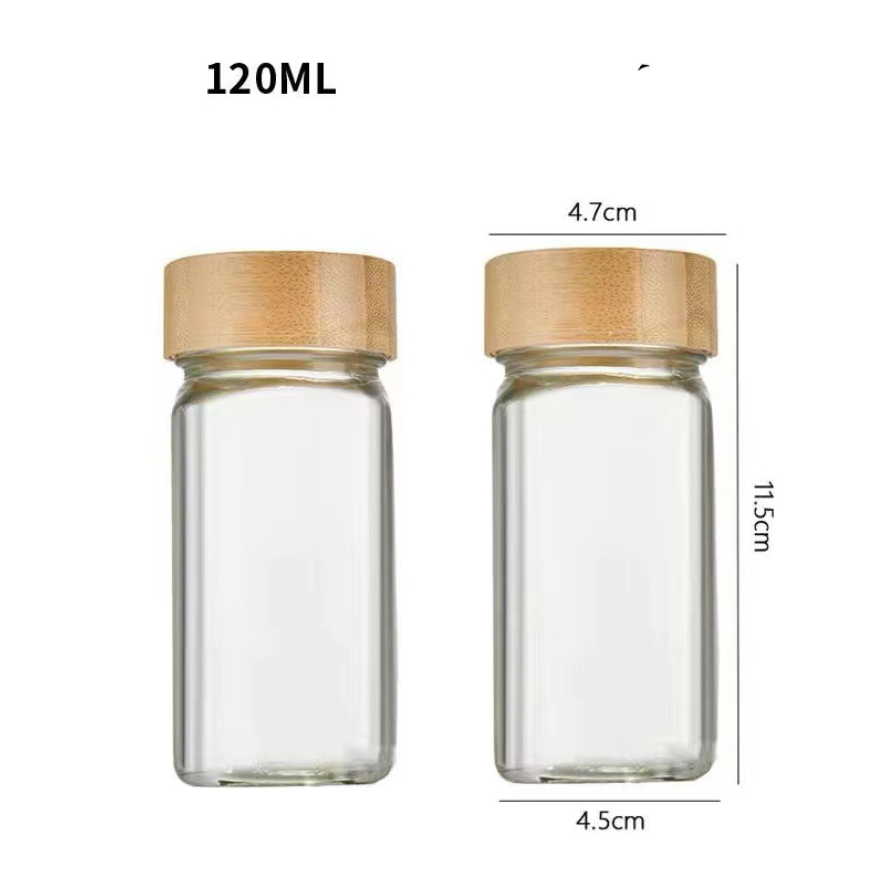
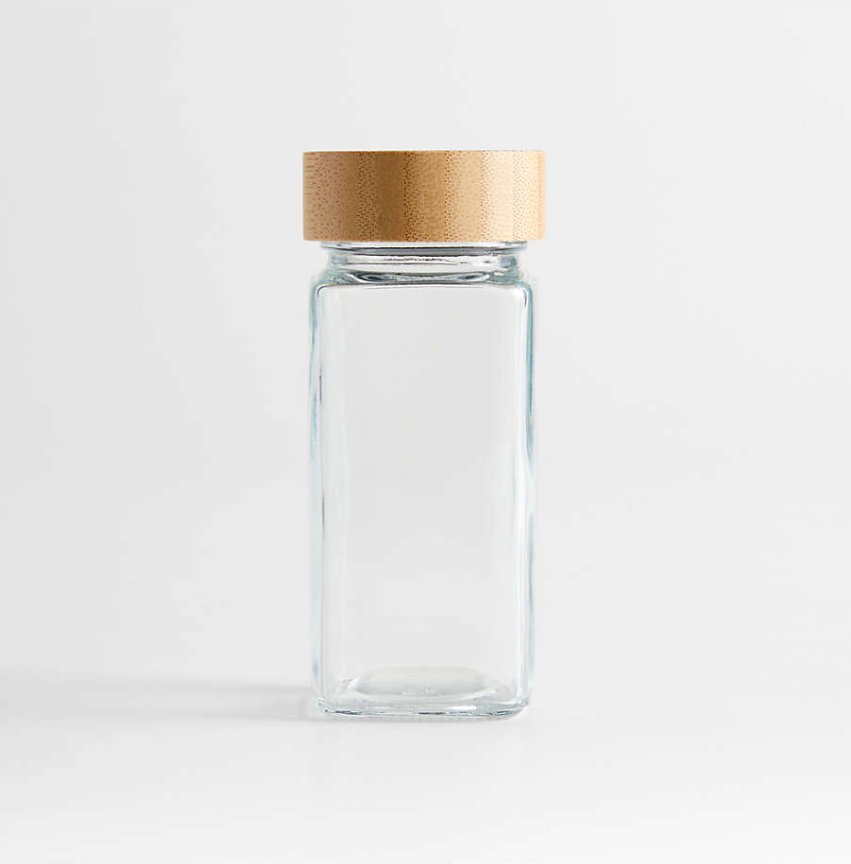
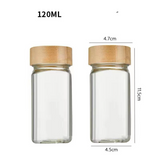
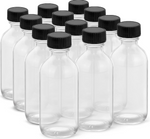
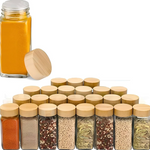
The Netai Glass Spice Jars were built specifically for this system. Clear enough to read at a glance without opening. Uniform in size so every jar sits at the same height. The airtight seal keeps your pilau masala potent, your turmeric sharp, and your cardamom fragrant — not stale.
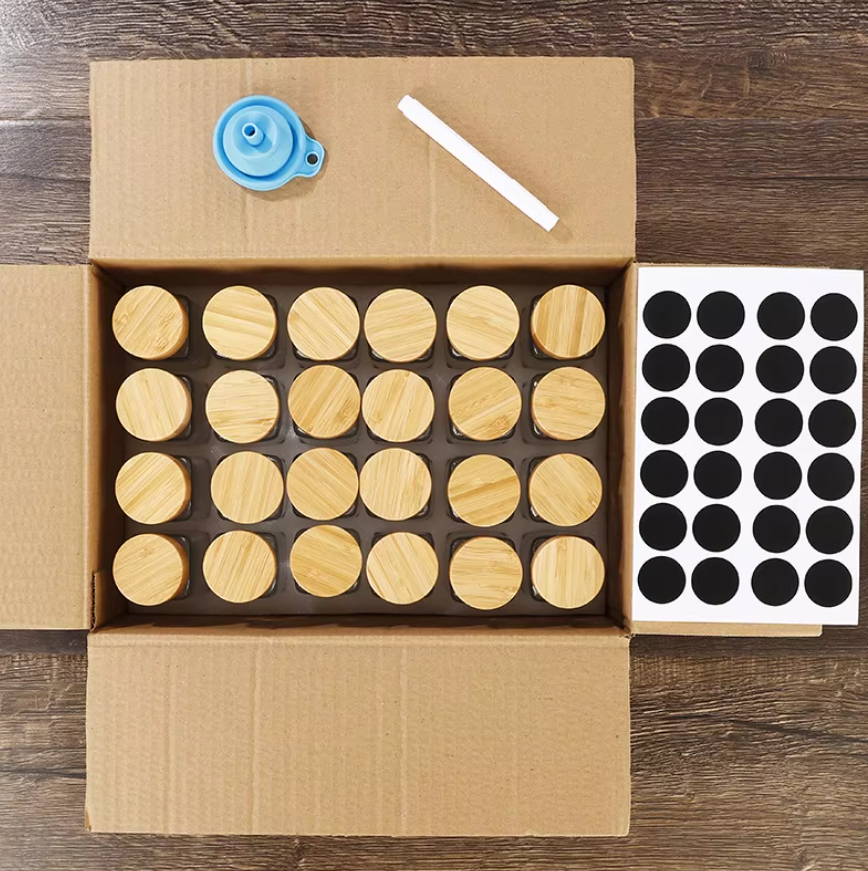
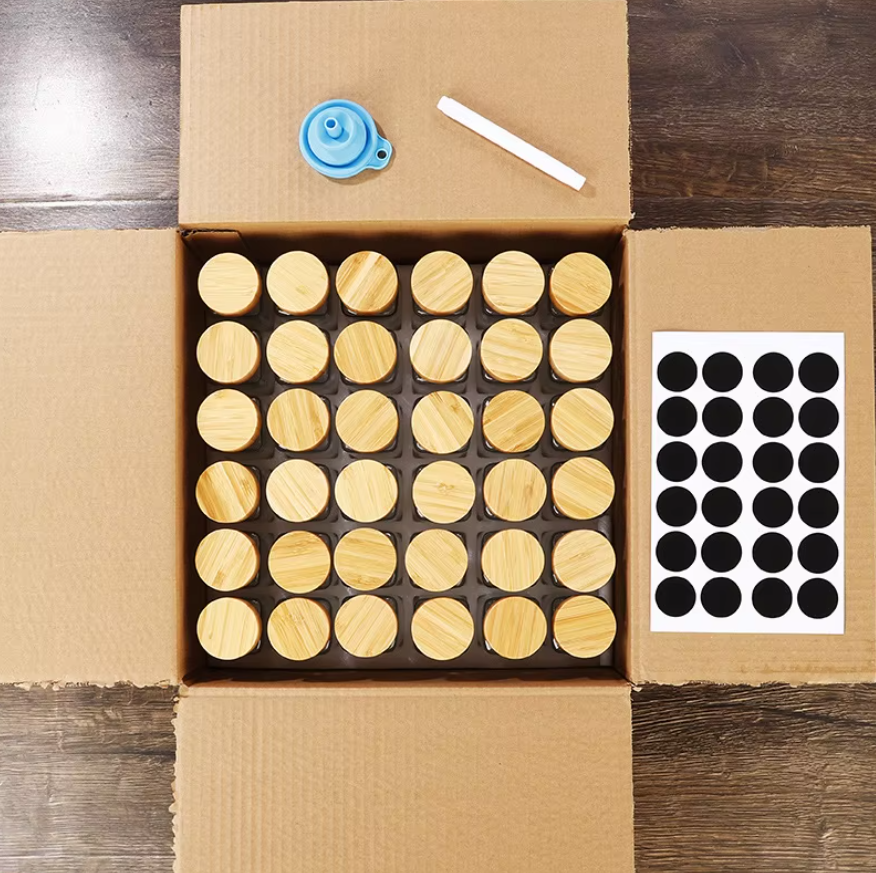
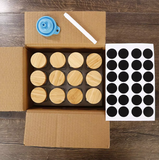
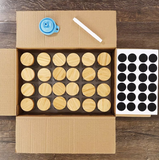
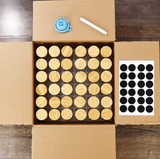
The 12-piece set at KSh 1,800 covers your everyday essentials: Royco, black pepper, turmeric, garlic powder, paprika, dania, pilau masala, tea masala, and a few more that form the backbone of almost every meal. If you cook pilau, biryani, and bake regularly — or you cook for a large family the 24-piece set at KSh 3,000 gives you room to properly separate every category without the system straining.
Both sets are part of the Netai Living System™ a room-by-room framework designed to help you create flow, calm, and intention throughout your home. The spice drawer is one of the first places to begin.
Both are available with delivery across Kenya at netai.co.ke/products/glass-spice-jars →
The Ritual Begins Before You Cook
There's a version of your evening that starts like this:
You walk into the kitchen. You open the spice cabinet. And it's calm.
Same jars. Same heights. Everything visible. You reach for the pilau masala without searching. You add turmeric without knocking over three other things. The royco is exactly where you left it, properly sealed, properly labelled.
Before you've even turned on the stove, something has already shifted.
You're not frustrated. You're not behind. You're not starting the meal with a low-grade irritation you can't name.
You're just ready.
That's what an organized spice drawer actually gives you. Not just efficiency. Not just a prettier cabinet. A different beginning. A moment of calm before the heat, the chopping, the timing, the feeding of people you love.
Cooking becomes something you move into gently. Intentionally. With clarity instead of chaos.
That's the shift. And it starts with the spices.
Frequently Asked Questions
How many spice jars do I need for a Kenyan kitchen?
For everyday cooking, a 12-piece set covers your core spices Royco, turmeric, pilau masala, black pepper, garlic powder, paprika, curry powder, cardamom, cinnamon, tea masala, cumin, and ginger powder. A full kitchen that covers pilau, biryani, baking, and everyday meals comfortably needs 24 jars. If you cook for a large family or batch cook on weekends, start with 24. You won't find yourself mid-transfer with nowhere to put the last few spices.
What is the difference between the 12-piece and 24-piece spice jar sets?
The 12-piece set is designed for everyday cooking essentials, the spices you reach for in almost every meal. The 24-piece set gives you enough jars to cover your everyday spices, your pilau and biryani collection, and your baking spices, while still leaving room for the ones you use occasionally. The 12-piece is the right starting point for a smaller household; the 24-piece is built for a full Kenyan kitchen with a broad spice repertoire.
Can I use any glass jar for spice storage?
You can, but uniform jars make a significant difference to how the system actually functions. Mismatched jars of different heights, shapes, and lid types create visual noise, making your shelf feel disorganized even when it's technically tidy. Jars that don't seal properly also shorten the shelf life of your spices. Dedicated spice jars that are the same size and shape let you read your entire collection at a glance, which is the whole point of the system.
How long do spices stay fresh in glass jars?
Ground spices stored in airtight glass jars away from direct heat and sunlight typically stay potent for one to two years. Whole spices like cardamom pods, cloves, and cinnamon sticks last even longer, up to three or four years with proper sealing. The biggest enemy of spice freshness is air and heat exposure, which is why resealing a sachet and returning it to the cabinet is far less effective than decanting into a sealed glass jar.
What spices should every Kenyan kitchen have?
A well-stocked Kenyan kitchen typically includes: Royco (cubes and powder), turmeric, pilau masala, curry powder, black pepper, chicken masala, mixed spices, garlic powder, paprika, tea masala, cardamom, cinnamon, cumin seeds, cloves, bay leaves, ginger powder, and biryani mix. That's fifteen to sixteen spices as a baseline, which is why the 12-piece set works as a starter and the 24-piece set covers a full kitchen more comfortably.
Why do I keep buying spices I already have?
The root cause is a visibility problem, not a memory problem. When spices are stored in sachets, opaque containers, or mismatched jars at different heights, you can't see your full collection at a glance so you default to buying rather than checking. The fix is clear: uniform jars at consistent heights so your entire spice collection is readable at a glance before you go to the shop. Once your shelf is readable, the duplicate buying stops almost immediately.
Your kitchen doesn't have to feel like a problem to solve before dinner. It can feel like the beginning of something good. One organized system at a time, and the spice drawer is the easiest place to start.
Ready to build the rest of your kitchen system? Read: How to Use Acrylic Storage Containers to Organize Like a Pro →
Shop the system:
🫙 Glass Spice Jars — 12-Piece Set → 🫙 Glass Spice Jars — 24-Piece Set →
You might also like:
→ The Ultimate Guide to Kitchen Organization
→ Why Investing in Good Spice Jars Saves You Money in the Long Run